
2 hr
Pastel de Nata Baking Class in a Local Porto Home
Master Portugal's iconic custard tart using a cherished family recipe in an intimate kitchen setting
Reserve
Master Portugal's custard tart in local homes, paired with port wine and tradition.
Hand-picked by our editors — only the best 5 culinary workshops from 12 reviewed.
Verified partners for every tour, free cancellation where available, and instant confirmation on every booking.
2 hr
Master Portugal's iconic custard tart using a cherished family recipe in an intimate kitchen setting
Reserve
1 hr 30 min
Create Portugal's iconic custard tarts in a hands-on class with complimentary drinks and pastries to take home
Reserve
1 hr 30 min
Learn to bake Portugal's iconic custard tarts in a hands-on class with port wine and snacks included
ReservePrices from verified partners. Availability updates in real time at checkout. Free cancellation policies apply where shown.
The landmarks, rooms, and views travelers on this tour remember — all visible on a single visit.
Equipped with traditional tools for every porto baking class participant.
They complement each other; most visitors find that the hands-on porto baking class offers more technical engagement, whereas the food walking tour provides a broader overview of regional gastronomy. These porto baking class tours prioritize craftsmanship, while the alternative focuses on local heritage.
| Feature | Top pick Baking Workshop | Food Walking Tour |
|---|---|---|
Active Skill Building |
High manual engagement | None - observational only |
Culinary Focus |
Pastry technique and dough | Tasting regional delicacies |
Physical Activity Level |
Sedentary kitchen station | Moderate urban walking |
Social Interaction Type |
Intimate group participation | Dynamic group exploration |
Take-home Value |
Recipes and self-made products | Expanded culinary knowledge |
| See tickets → |
Verdict: Choose the workshop if you want to master authentic recipes, or select the porto baking class tour if you prefer discovering diverse city landmarks through curated tastings.
Choose your ticket, select your date, and reserve in under two minutes. Secure checkout handled by our verified partner.
Instant confirmation by email, with a mobile voucher you can save offline. No printing, no queuing at a collection desk.
Arrive at the entrance, show your voucher on your phone, and walk in. Most tickets include priority or skip-the-line access.
Best time to go, insider tips, nearby landmarks, and the cancellation fine print — flip through to skim what matters to you.
How crowds, weather, and events shift across the year.
Mild temperatures make the 10:00–13:00 arrival window ideal for walking to the venue. Markets are vibrant during this season.
Focus on the morning workshop slots to avoid the afternoon peak heat. Air conditioning is available in the studio.
Cooler weather in September and October provides a comfortable environment for oven-based culinary activities.
Indoor pastry workshops offer a cozy escape from rainier days. Availability is high on weekdays.
Small details that turn a good visit into a great one.
Private tours fill up quickly. Secure your spot via the official site.
The best arrival window is 10:00–13:00. This ensures you avoid peak heat.
Confirmation details regarding your porto baking class will be sent after booking.
You will be standing for much of the session. Wear shoes that support long periods of activity.
The chefs are experts in local tradition. Learn about regional ingredients during the workshop.
Non-bookable sights within a short walk — free to visit, easy to pair.
Famous ornate bookstore with neo-Gothic facade.
Tall granite bell tower offering city views.
Beautiful botanical gardens with peacocks.
Iconic church featuring intricate blue tilework.
Flexible, no hidden fees.
Private workshop bookings require advance notice for changes. Please refer to the specific terms provided at the time of purchase for refund eligibility.
Hand-picked options within walking distance — pick a district for vibe, or a specific hotel for convenience.
Historic hotel near local landmarks.
Artistic stay in a central neighborhood.
Central area with various apartment options.
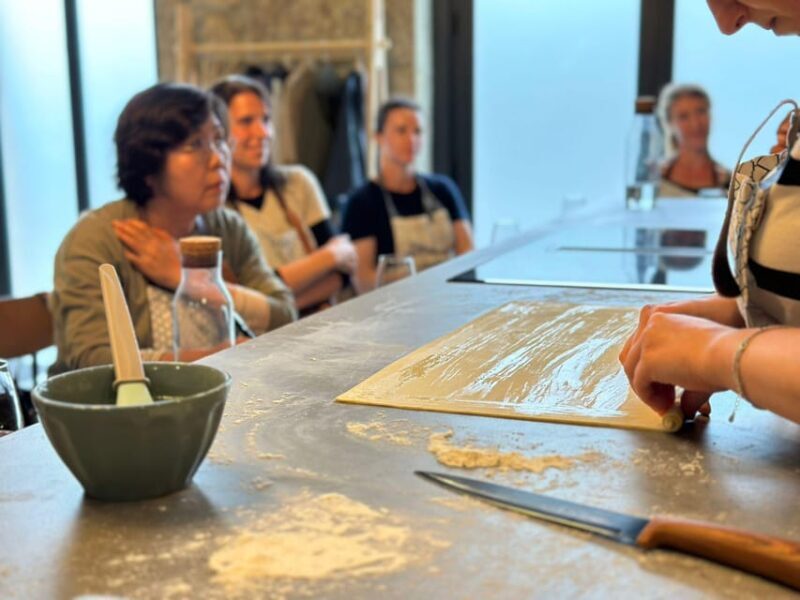
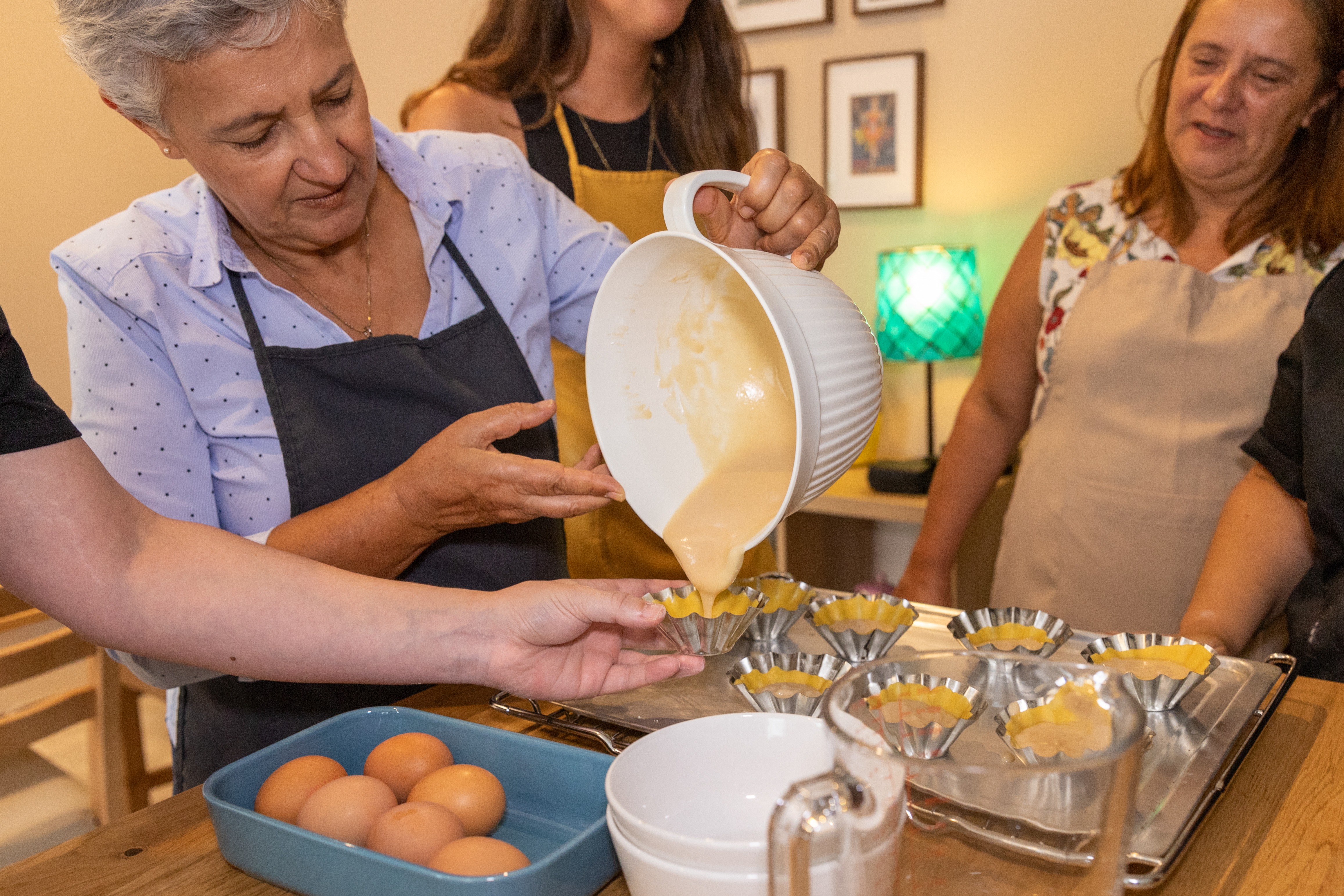
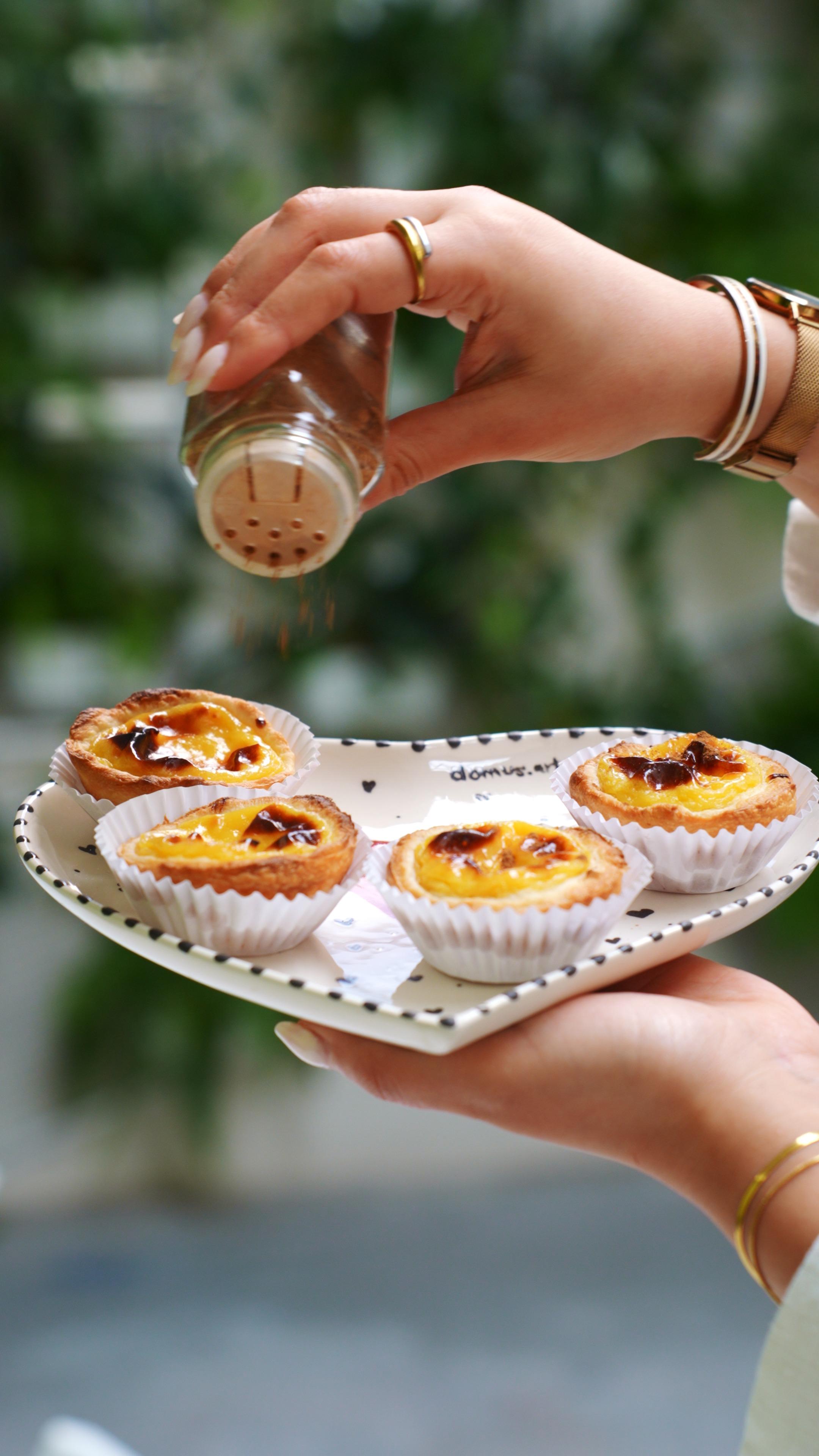
The pastel de nata — Portugal's custard tart — was born in Lisbon's Jerónimos Monastery during the 18th century, where monks used surplus egg yolks to create a secret-recipe pastry that would become the nation's most iconic sweet. By the 1830s, the formula had migrated north to Porto, where local pastelarias adapted the technique to accommodate the Douro Valley's fortified wines and the city's robust mercantile culture. Today, Porto's baking tradition thrives not in monasteries but in private kitchens and century-old family bakeries, where the craft is passed down through demonstration rather than written instruction. A Porto baking class unfolds in residential spaces near Campo dos Mártires da Pátria, where floor-to-ceiling windows overlook the medieval quarter's terracotta rooftops. The workshop centers on laminated dough — rolled, folded, and chilled in cycles to produce the tart's signature flaky shell — and a custard base tempered with cinnamon and lemon zest. Instructors, often third-generation bakers, emphasize oven temperature calibration and the Maillard reaction that darkens the custard's crown without curdling the filling. Most sessions pair the baking process with a tasting of tawny port or vinho verde, illustrating the interplay between Douro viticulture and Porto's confectionery heritage. The city's culinary workshops occupy a middle ground between tourism and cultural preservation. Unlike Lisbon's high-volume pastelarias, Porto's classes cap enrollment at six to eight participants, ensuring direct access to mixing bowls and marble slabs. The curriculum often extends beyond pastry technique to include market tours of Bolhão, where vendors sell Azorean butter, Algarve almonds, and free-range eggs from Trás-os-Montes. This farm-to-table element reflects Porto's geographic position as a distribution hub for northern Portugal's agricultural output, a role the city has maintained since the Age of Discovery. Porto's pastel de nata workshops operate year-round, with morning sessions preferred for optimal dough hydration in the city's Atlantic humidity. The tradition's survival depends less on institutional support than on individual bakers who open their homes to teach a technique that predates industrialized food production by two centuries. Each workshop preserves not only a recipe but also a pedagogical model rooted in apprenticeship, repetition, and the belief that certain knowledge transfers only hand to hand.
"The custard's crown darkens without curdling only when oven temperature and timing align — a balance learned through repetition, not recipe."
Photography is permitted and encouraged during your porto baking class. Please be mindful of other participants in the studio.
Wear comfortable clothing and closed-toe shoes. You will be moving around the kitchen during your pastry experience.
Yes, the venue is near landmarks like the Livraria Lello and Torre dos Clérigos, both within a short walk.
Cancellations are managed based on the terms of your specific booking. Please check your confirmation details for the exact refund policy.