
2 hr
Portuguese Custard Tart Baking Class in a Local Porto Home
Master the art of pastéis de nata using a cherished family recipe in an authentic kitchen setting
Reserve
Hand-picked by our editors — only the best 5 workshops from 12 reviewed.
Verified partners for every tour, free cancellation where available, and instant confirmation on every booking.
2 hr
Master the art of pastéis de nata using a cherished family recipe in an authentic kitchen setting
Reserve
1 hr 30 min
Craft Portugal's iconic custard tarts in a hands-on class, enjoy a drink, and take home your creations
Reserve
1 hr 30 min
Craft authentic Pastéis de Nata in a hands-on baking class with Portuguese wine and sweet treats
ReservePrices from verified partners. Availability updates in real time at checkout. Free cancellation policies apply where shown.
The landmarks, rooms, and views travelers on this tour remember — all visible on a single visit.
Master the delicate art of folding butter into dough for the perfect flake. This station is where the science of baking begins.
Watch as high-heat ovens transform simple ingredients into golden treats. The aroma of cinnamon fills the room here.
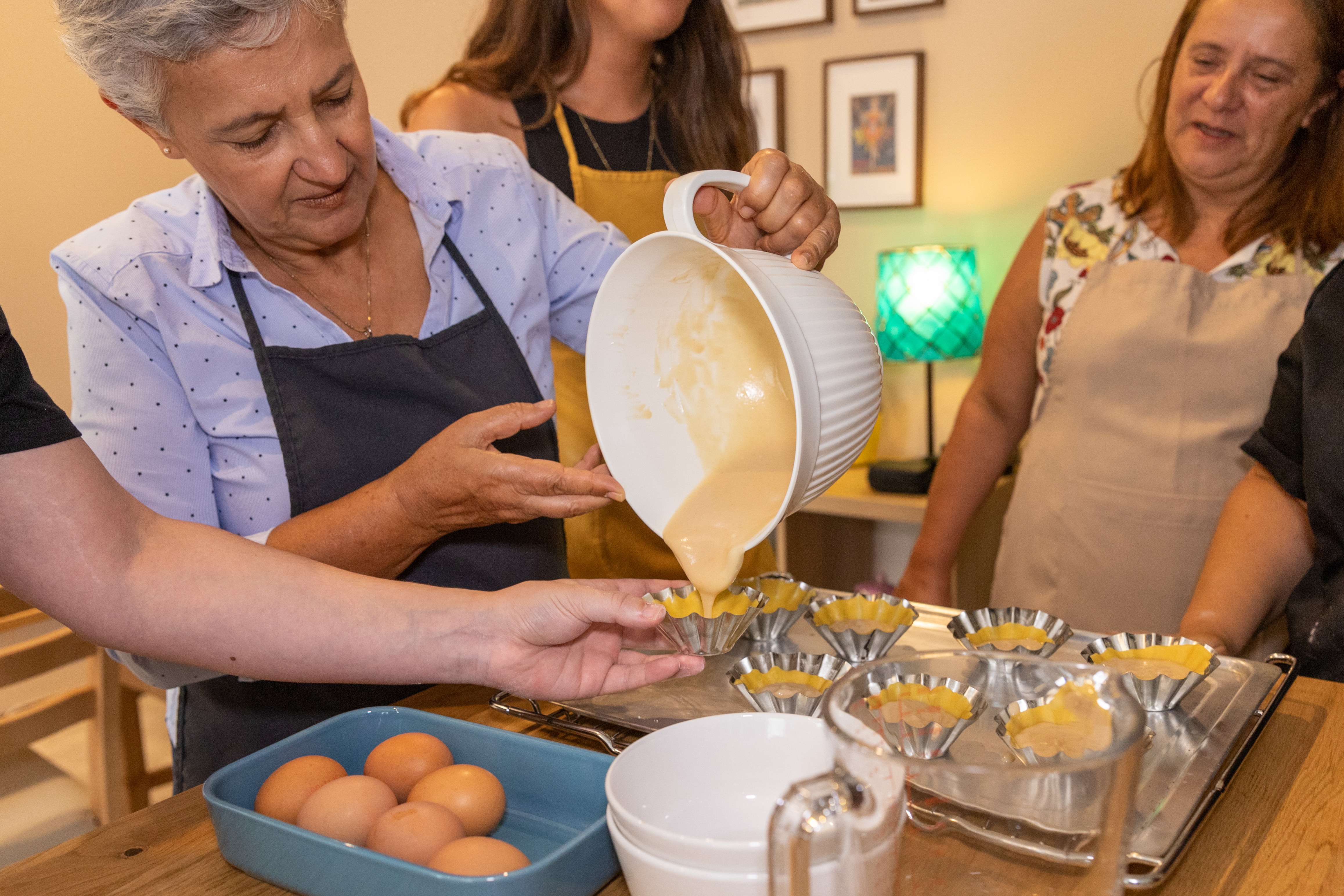
Learn the secret technique for achieving the smooth, creamy custard consistency. This is a core part of the porto cooking class pastel de nata.
Observe the final step where tarts are cooled to perfection. Proper cooling ensures the crust stays crisp.
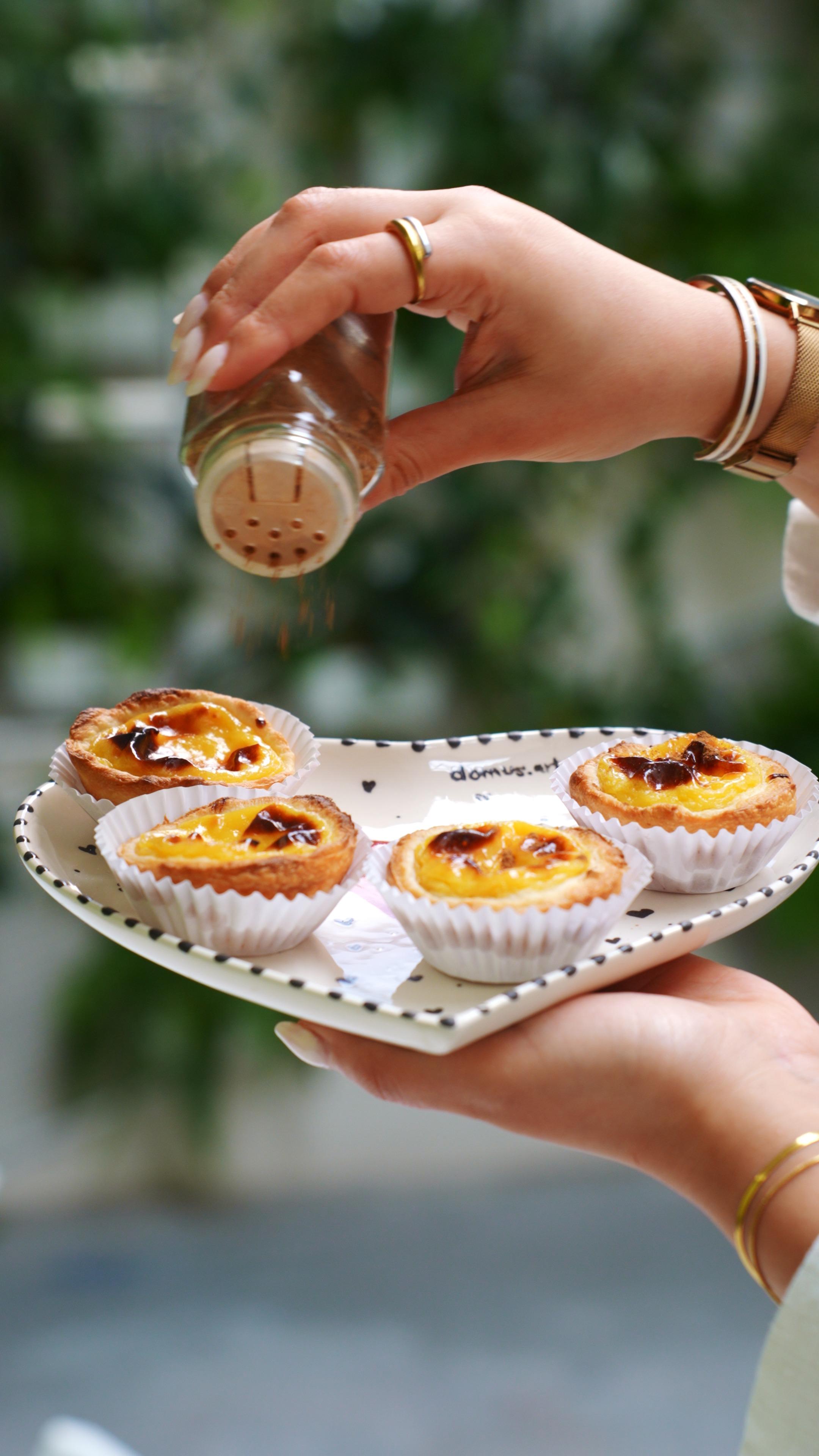
Finalize your creations with a dusting of cinnamon and powdered sugar. This area focuses on professional pastry styling.
These experiences complement each other; most visitors who seek deep technical pastry skills prefer the focused workshop, while those wanting a broader cultural overview find the market-integrated session more engaging. Choosing between porto cooking class pastel de nata tours requires deciding between singular culinary perfection and a comprehensive local food narrative.
| Feature | Top pick Pastel de Nata Workshop | Market & Cooking Tour |
|---|---|---|
Skill Focus |
Technical pastry craft | Comprehensive meal preparation |
Time Commitment |
2–3 hours | 4–5 hours |
Ingredient Sourcing |
Pre-selected kitchen supplies | Local market vendor selection |
End Product |
Traditional custard tart | Full multi-course meal |
Culinary Scope |
Specialized baking focus | Diverse Portuguese gastronomy |
Social Interaction |
Intimate small-group setting | Group market exploration |
| See tickets → |
Verdict: Opt for the dedicated porto cooking class pastel de nata to master the custard crust, or select the market tour if you prefer acquiring porto cooking class pastel de nata tickets that include a wider exploration of regional ingredients.
Choose your ticket, select your date, and reserve in under two minutes. Secure checkout handled by our verified partner.
Instant confirmation by email, with a mobile voucher you can save offline. No printing, no queuing at a collection desk.
Arrive at the entrance, show your voucher on your phone, and walk in. Most tickets include priority or skip-the-line access.
Practical details for your visit straight from our verified partners — hours, access, rules, and how to get there.
Domus Arte, Porto, Portugal
Look for the culinary signage at the main door
Use Metro Line D to Aliados station. A short walk leads to the kitchen.
Request drop-off at Domus Arte. Local drivers know the area well.
Casual and comfortable clothing is recommended. Closed-toe shoes are required for safety during all porto cooking class pastel de nata sessions.
Large backpacks and luggage are not permitted in the kitchen area. Secure storage is limited, so please travel light for your porto cooking class pastel de nata tour.
Photography is encouraged during the baking process. Please be respectful of other participants attending the porto cooking class pastel de nata.
The venue is located in a historic building with limited elevator access. Please notify the team regarding mobility requirements when booking your porto cooking class pastel de nata tickets.
Mobile phones are permitted for capturing photos of your baking progress. Please keep devices silent during demonstrations to respect the porto cooking class pastel de nata instructor.
The workshop is suitable for older children and families interested in learning local pastry techniques. Supervision is required for participants under 16 during every porto cooking class pastel de nata.
Participants consume the pastries created during the class. Please inform the instructor of any severe food allergies before your porto cooking class pastel de nata begins.
No pets are allowed inside the culinary facility. Assistance animals are permitted with prior notification before your porto cooking class pastel de nata session.
Each workshop provides all necessary ingredients and professional equipment. Enjoy this authentic experience while visiting major Porto landmarks.
Domus Arte, Porto, Portugal
Look for the culinary signage at the main door
Get directionsBest time to go, insider tips, nearby landmarks, and the cancellation fine print — flip through to skim what matters to you.
How crowds, weather, and events shift across the year.
Mild weather and fewer crowds in March and April. Ideal for those booking a porto cooking class pastel de nata.
Warm temperatures and peak tourist season. Book your porto cooking class pastel de nata tickets early.
Cooler air perfect for using ovens in the kitchen. Excellent for seasonal porto cooking class pastel de nata tours.
Cozy indoor activities with lower tourist density. Perfect for a relaxing porto cooking class pastel de nata.
Small details that turn a good visit into a great one.
Classes fill up quickly during the peak season. Secure your spot online to ensure availability.
Plan to arrive between 09:00–16:00 to maximize your daylight for workshop tasks.
Wear sensible footwear to stay comfortable while standing for the duration of the workshop.
Mention allergies at the time of booking to ensure the instructor is prepared.
Ask your instructor for secret local spots to find the best coffee in Porto.
Non-bookable sights within a short walk — free to visit, easy to pair.
Famous Baroque tower with panoramic city views.
Historic bookstore known for intricate woodwork.
Renowned for elaborate blue and white azulejo tiles.
19th-century palace showcasing neoclassical architecture.
Flexible, no hidden fees.
Cancellations made at least 48 hours in advance are eligible for a full refund of the workshop fee. Late cancellations or no-shows forfeit the full payment.
Hand-picked options within walking distance — pick a district for vibe, or a specific hotel for convenience.
Upscale hotel located in a converted palace.
Centrally located property near all major sites.
Vibrant area filled with guesthouses and apartments.
The pastel de nata owes its existence to Catholic monks at Jerónimos Monastery in Belém, who in the early nineteenth century used surplus egg yolks—left over from starching habits—to create a flaky custard pastry that would outlive their order. By 1837, the recipe had passed into civilian hands, and the tart migrated north along the Douro, where Porto's bakers adapted the formula with regional tweaks to sugar ratios and baking temperatures. Today, the city's culinary schools and home kitchens preserve these methods, teaching visitors the precise fold of laminated dough and the chemistry behind a caramelized crown. A Porto cooking class pastel de nata deconstructs the tart's deceptively simple architecture: puff pastry rolled to translucence, a custard base tempered with cinnamon and lemon zest, and a blast of heat that coaxes the signature blistered top. The technique demands attention to oven calibration—traditional copper molds conduct heat faster than modern tins—and timing measured in seconds rather than minutes. Local instructors emphasize the distinction between Lisbon's sweeter variant and Porto's drier, less sugared style, a difference rooted in the city's historic preference for port wine pairings that required a less cloying accompaniment. These hands-on sessions unfold in residential kitchens and neighborhood culinary studios, where participants measure flour by weight, clarify butter, and practice the wrist rotation that creates the pastry's concentric spirals. The workshops integrate broader Portuguese culinary context: the Moorish influence on egg-based sweets, the role of Atlantic trade routes in importing vanilla and cinnamon, and the guild traditions that once regulated pastry production in Porto's medieval core. Most classes conclude with a tasting protocol—warm tarts dusted with cinnamon, paired with a glass of tawny port to illustrate the textural interplay between flaky crust and fortified wine. The format has proven durable; enrollment in Portuguese pastry workshops has grown steadily since 2020, as travelers seek participatory experiences that yield both skill and tangible souvenir.
"The technique demands attention to oven calibration—traditional copper molds conduct heat faster than modern tins—and timing measured in seconds rather than minutes."
A step-by-step walkthrough of the visit — what you'll see, how long each stage takes, and the details that matter.
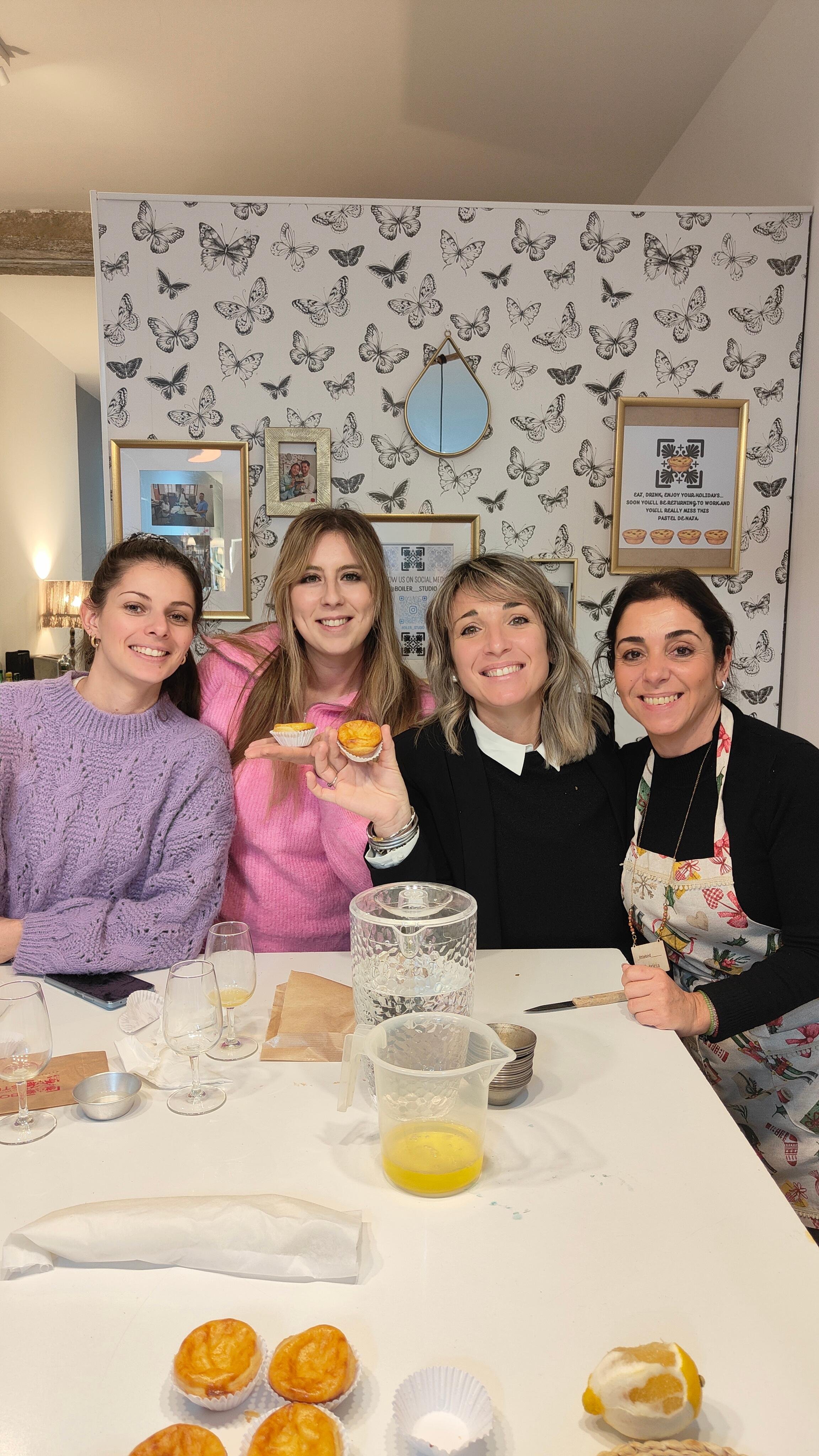
You arrive at a tiled residential kitchen in Porto's Ribeira district, where your instructor—often a third-generation baker—lays out pre-measured ingredients and a rolling pin worn smooth by decades of use. The session opens with a brief history of the tart's monastic origins before you begin laminating dough, folding butter into flour in a series of precise turns that will yield the pastry's hundred-thin layers. Your hands work the dough cool; the instructor corrects your pressure, demonstrating how excessive force compresses the layers and ruins the rise. Once the dough rests, you prepare the custard, whisking egg yolks with sugar and milk over low heat until the mixture thickens to coat the back of a spoon. Cinnamon and lemon zest go in last, their aromatics sharpening the custard's richness. You line tartlet molds with rolled pastry, fill each to three-quarters, and slide the tray into a preheated oven set to 250°C. Through the glass door, you watch the custard puff and the tops begin to blacken—a controlled char that signals doneness. After twelve minutes, you extract the tarts, their surfaces cratered and bronzed. You taste one warm, the custard still molten, paired with a chilled glass of white port that cuts through the pastry's butteriness and leaves a clean finish.
The kitchen at Domus Arte operates from 09:00–18:00 daily. You should aim to arrive between 09:00–16:00 for the best experience.
The historic nature of the building makes accessibility challenging, so please inquire before booking your porto cooking class pastel de nata.
Yes, photography is allowed during the porto cooking class pastel de nata to document your progress.
Tickets for the porto cooking class pastel de nata can be booked directly through our digital inventory system.
Families are welcome, though children should be supervised throughout the porto cooking class pastel de nata.
Wear comfortable, casual clothing and closed-toe shoes for your porto cooking class pastel de nata.
You may receive a full refund if you cancel your porto cooking class pastel de nata at least 48 hours beforehand.
Yes, you will consume the pastries you bake during the porto cooking class pastel de nata session.
The best time is between 09:00–16:00 to ensure enough daylight for the baking portion of the porto cooking class pastel de nata.
There is no secure luggage storage on-site, so please avoid bringing large bags to the porto cooking class pastel de nata.